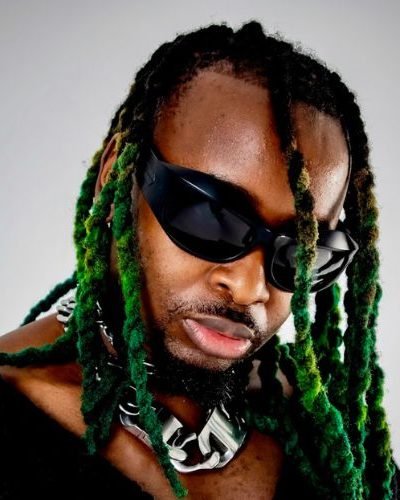
More than just music, this program offers an intimate look at the lives and challenges faced by artists in Mozambique. Daniel Joshua, a prominent name in the new generation of the Mozambican music scene, did not hesitate to share his opinions on the industry and highlight the barriers that national artists face.
The Challenge for the Mozambican Artist: Daniel Joshua opened his heart while discussing the challenges of being an artist in the Land of Marrabenta, pointing to the devaluation of national musicians compared to foreign ones. He emphasizes that, although culture is a vital catalyst for a country's development, in Mozambique, culture is not prioritized, resulting in an absence from the global music scene. The musician expresses his concern about the commercialization of music, comparing it to the sale of tomatoes, but also acknowledges the artists' efforts to keep the culture alive, even without adequate support.
“"Culture is a great catalyst for development in a country, but in Mozambique culture is not a priority, which is why we don't exist on the world map in terms of music.".
Here, musicians sell music like it's tomatoes, but I don't blame them; at least, even without support from the Ministry, they're doing something to keep culture alive.
This factor contributes to the fact that national artists are undervalued compared to foreign artists, and along with the lack of effective policies, the national music market is a complete mess," said Joshua.
When discussing possible solutions to revitalize the Mozambican music scene, Daniel Joshua highlights the need for a more proactive approach from the Ministry of Culture. He emphasizes that the ministry should not only oversee and regulate artistic movements in the country, but also defend, support, and invest more in culture. Joshua believes that the lack of institutional support is one of the main factors contributing to the devaluation of national artists compared to foreign ones.
The New Generation and the Role of the Ministry of Culture: When questioned about the role of the new generation of artists, Daniel Joshua expresses skepticism regarding their ability to make significant changes. He argues that if older artists have failed to overcome the challenges, new talents may have a limited impact. Joshua highlights the importance of more effective action from the Ministry of Culture, not only as a regulator but as an active advocate for Mozambican culture, promoting policies that support and encourage local artists.
”"If the old artists failed, the newcomers can do little.".
"In fact, music agents are already doing their part; the Ministry of Culture needs to fulfill its role, not only to oversee and regulate all artistic movements in the country, but also to defend, support, and invest more in culture," Joshua continues.
Quality is not the obstacle: Daniel Joshua emphasizes that the quality of Mozambican music is not the problem. He highlights other notable artists, such as Jimmy Dludlu and Rhodália Silvestre, who have managed to captivate audiences with their performances. Joshua believes there is talent and quality in the Mozambican music scene, but the lack of recognition and adequate support hinders its global success. "As I said before, it's not a lack of quality that prevents our music from succeeding; there are many artists who manage to drive the audience wild with their performances," Joshua states.
One of the great promises of Mozambican music, who is about to make his debut at the second edition of “Voices of the Pearl of the Indian Ocean”. His frank perspective on the challenges faced by local artists highlights the urgent need for a change in the approach to culture in Mozambique. As we prepare to witness Joshua's debut, we are reminded of the importance of recognizing and valuing local talent, thus building a vibrant and globally recognized Mozambican music scene.