
Building our own home is a dream for many, but the process can be complex. Here, we've outlined all the steps and procedures required to build a home. This information is incredibly useful for both managing the process and ensuring that it's been followed correctly!
1 – Choosing the Land

Selecting the right land is a crucial step in designing our future home, representing not only a significant investment but also directly influencing many of the residence's essential characteristics. Aspects such as buildable square footage, the possibility of multiple floors, solar orientation, and available views are determining factors that must be carefully considered in this process. Wisely choosing the site for your home not only protects your financial investment but also ensures that the home fully meets your expectations and needs, providing a rewarding living experience.
2 – Hire an Architect

A competent architect plays a fundamental role in creating your dream home, as a professional who not only listens to your ideas but also translates them into a personalized design aligned with your tastes and budget. Throughout the construction process, this professional is your ally, providing valuable support and helping you optimize time and financial resources. If you don't already have an architect in mind, you can find qualified professionals right here at INUPA, facilitating the search for specialists who meet your needs and expectations.
3 – Preliminary studies of the house
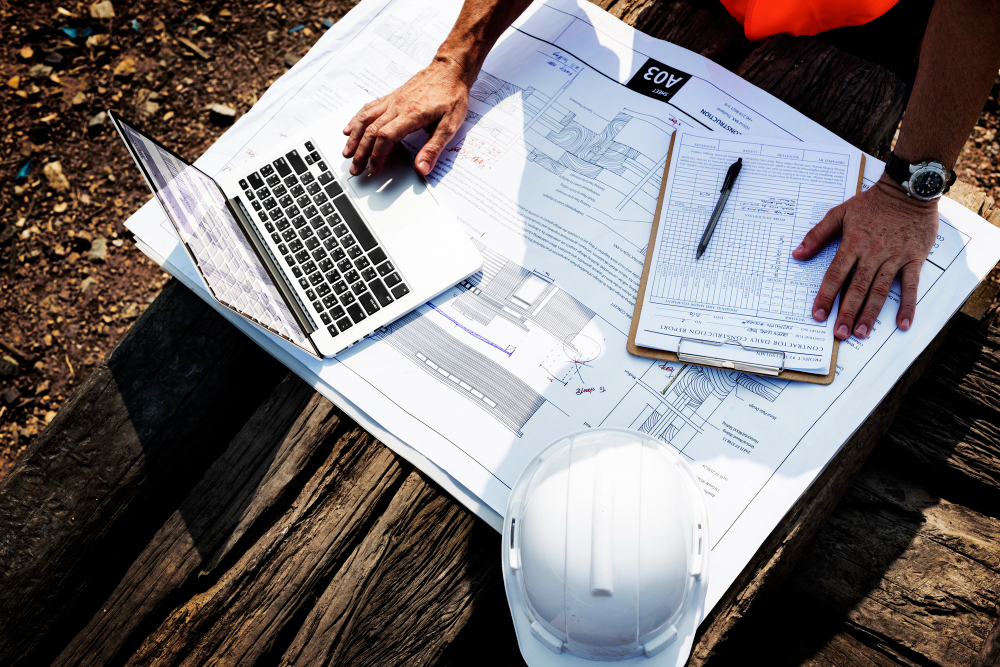
After purchasing the land we will need:
- A topographical study: A surveyor draws the geometry and relief of the land to know its exact dimensions and the elements that exist on it (trees, rocks, existing buildings, etc.).
- A geotechnical study: through probes that confirm the composition and resistance of the soil. This will be essential for designing the foundation and structure of the house.
- Preliminary draft: The architect will study your ideas, existing regulations, and the available budget. They will draw general guidelines that, after several adjustments, will become your ideal home.
4 – Technical documentation
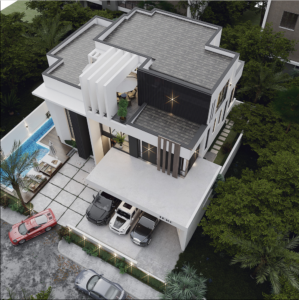
Once the main lines of your home have been defined, the architect will draft the following documents:
- Basic design: Documentation required to obtain a municipal license. It consists of a report and plans describing the work to be carried out and compliance with regulations.
- Executive Project: Documentation defining all the geometry and materials required for the construction of the house. It includes architectural, structural, and installation plans, as well as a report and measurement status. The more complete the project, the fewer surprises and unforeseen issues there will be during the construction process.
5 – Hire the technical team
Each member of this team plays a vital role in the construction, collaborating to ensure the project is executed with quality, safety, and efficiency. Hiring a qualified technical team is essential to the success of the project.

- Civil Engineer:
- Responsible for assessing the structural feasibility of the project, performing calculations and ensuring that all technical standards are followed.
- Construction Manager:
- Supervises and coordinates activities at the construction site, ensuring that the project is executed as planned.
- Carpenter:
- Specialized in the handling and installation of wooden elements, playing a crucial role in the structure and finishing of the construction.
- Blacksmiths:
- Responsible for the manufacture and installation of metal structures, such as beams and frames, contributing to the solidity of the construction.
- Electrician:
- Installs and maintains electrical systems, ensuring that all wiring, lighting points, and outlets comply with safety standards.
- Clinicalizer:
- A plumber specializing in hydraulic systems installs and maintains water and sewage pipes, ensuring efficient operation and preventing leaks. This is essential for ensuring a water supply and the proper functioning of hydraulic devices in construction.
6 – Construction supply
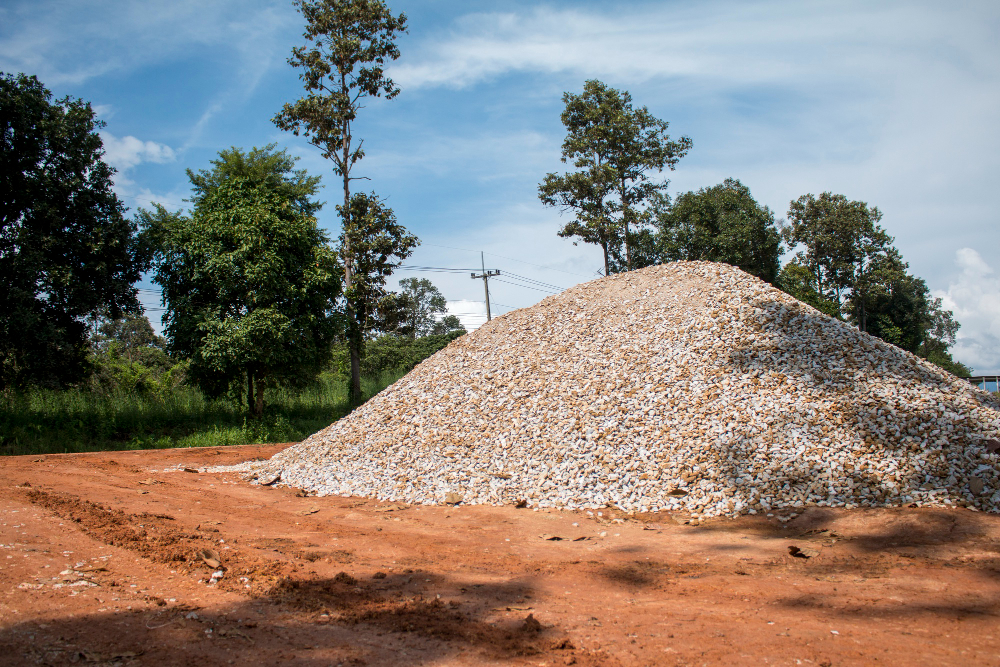
To begin construction, it's essential to obtain municipal permits and secure water and electricity supplies. Additionally, make sure you have all the construction materials ready. This meticulous preparation is crucial to ensuring an efficient and successful start to the project.
7 – Start of construction
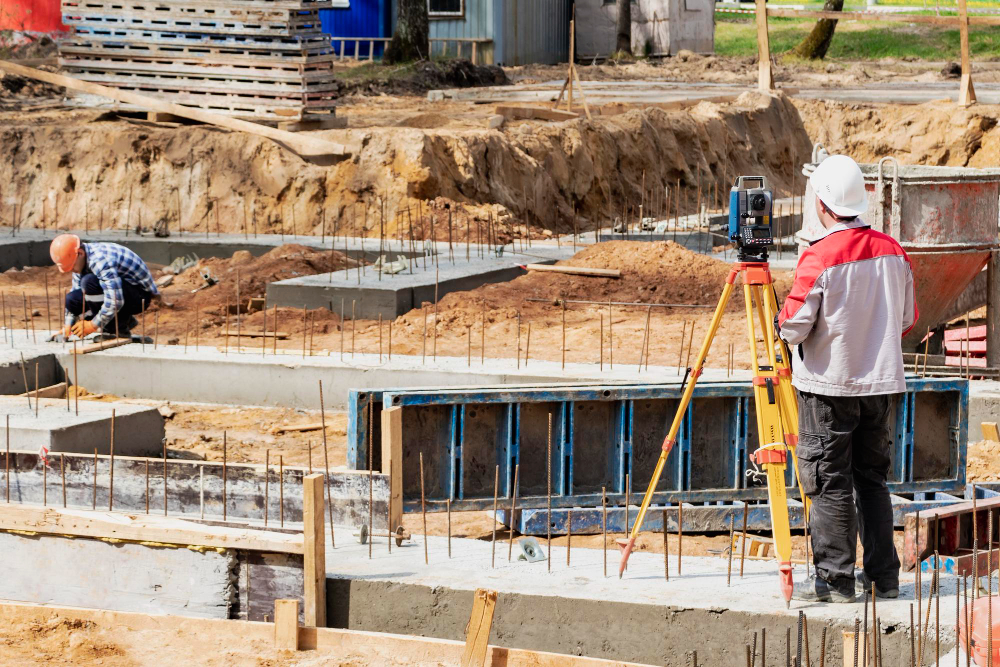
The architect plays a crucial role in overseeing the project through regular visits. Their responsibility is to ensure that the construction is aligned with established plans, including dimensions and materials. Furthermore, their oversight includes aspects such as safety, adherence to the schedule, and resolving potential problems during construction.
Monthly certifications document the work completed, allowing for detailed verification. This practice ensures that the owner pays only for what has been built to date, ensuring transparency and efficiency in the construction process.
8 – End of work

The architect and the construction foreman will meet with the owner to verify that the house is in perfect condition and complies with all established regulations. After this joint assessment, the construction completion documentation will be certified and signed. From this moment, the warranty period will begin, ensuring the quality and compliance of the completed project.
9 – New construction documentation
Once the project is complete, it's essential to begin the regularization process, for which the final construction certificate plays a crucial role. The process includes the following steps:
10.1. Occupation License:
– The Municipality verifies the work’s compliance with the plans and prior documentation submitted.
– Essential to obtain the certificate of habitability and the final discharge of water, electricity and gas.
10.2. Certificate of Habitability:
– Document certifying that the residence meets the minimum habitability conditions.
– Necessary to rent or sell the property and for essential supplies.
10.3. Registration:
– The work will be communicated to the registry for its due registration.
10.4. Energy Certificate:
– Energy efficiency document provided by the architect.
– Necessary for property rental or sale processes.