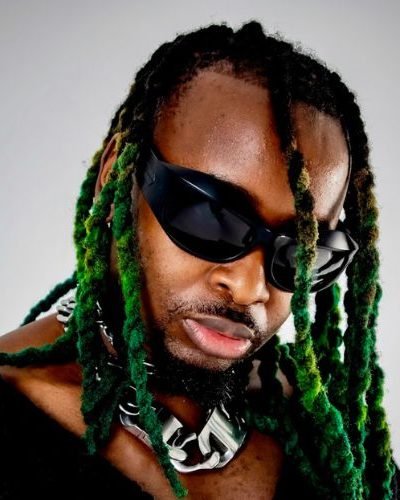
Recently, Mozambican comedian Tio Yado made a statement on his Facebook page: “I know the internet is going to crash 😏”, referring to the current situation Mozambique is going through. The statement generated discussions on social media, with many questioning whether an internet shutdown was really a possibility in the country. This comment, although made irreverently, raises serious questions about digital freedom and the challenges the country faces in the political and social landscape.
The Context of Uncle Yado's Statement
The political and social landscape in Mozambique, as in many other countries, has become increasingly complex. Political instability, growing repression of demonstrations, and control of information are recurring themes, and the possibility of more drastic measures, such as blocking the internet, has been discussed. The comedian, known for his critical and satirical view of social issues, made his statement amidst a moment of growing tension and popular unrest, leading many to interpret his words as a prediction about the possible suspension of internet access in the country.
Why is an internet shutdown being considered?
Historically, restricting internet access has been a tool used by governments during times of political or social crisis. Controlling information, especially on social media, is seen as a way to prevent mass mobilizations or protests. In several countries, including in Africa, there have been temporary internet shutdowns during election periods or in response to popular demonstrations.
In Mozambique, where political and social tensions are palpable, the possibility of an internet blackout is not so far-fetched. The economic situation, popular dissatisfaction with issues such as corruption, and the lack of basic services can intensify social unrest, making control of information an option for those in power.
The Impact of an Internet Outage in Mozambique
If an internet outage were to occur, the impact would be significant. The internet, in addition to being a communication tool, is essential for commerce, learning, and access to information. Mozambique has seen exponential growth in the use of social media as a platform for expression, and many citizens depend on the internet to obtain real-time news and express their opinions.
Furthermore, many businesses in the country, especially those linked to technology and the digital economy, would be severely harmed. Distance education, which has become increasingly relevant, would also be negatively impacted.
The Role of Digital Freedom
Tio Yado's statement reflects a growing concern about digital freedom in Mozambique. The right to free communication and access to information are fundamental principles for any democracy. Restricting internet access can be seen as a setback in the achievement of these freedoms, which would harm political transparency and citizen participation.
Furthermore, controlling information during times of crisis can exacerbate misinformation, making it even more difficult to understand the problems facing the country.