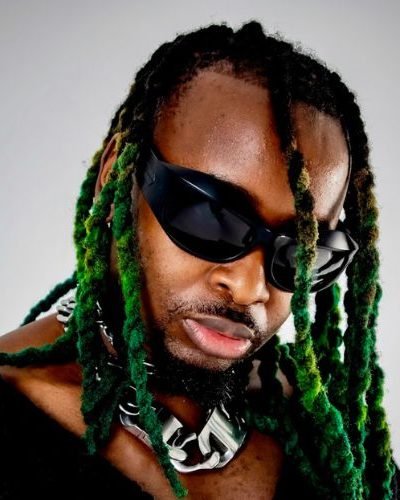
The musical and cultural landscape between Angola and Mozambique continues to strengthen with recognition and interactions that cross borders, uniting artists from both countries through art and social media. One of the most recent examples of this connection is the success of the track "Rivais" by Twenty Fingers, which gained prominence not only in Mozambique but also in Angola.

Angolan comedian Daniel Vilola Francisco, known as Costa dos Tuneza, shared a video on his social media where he appears listening to the track “Rivais” by Twenty Fingers, expressing his admiration for the composition. The song, which has already accumulated more than 1.8 million views on YouTube, continues to attract attention and praise, consolidating Twenty Fingers' success beyond borders.
This recognition from such an influential figure in Angolan comedy as Costa dos Tuneza is a sign of the growing popularity of Mozambican music in the Angolan market. The track “Rivais” stands out not only for its musical quality, but also for the cultural impact it is generating, being a clear example of how music can unite nations through universal themes.
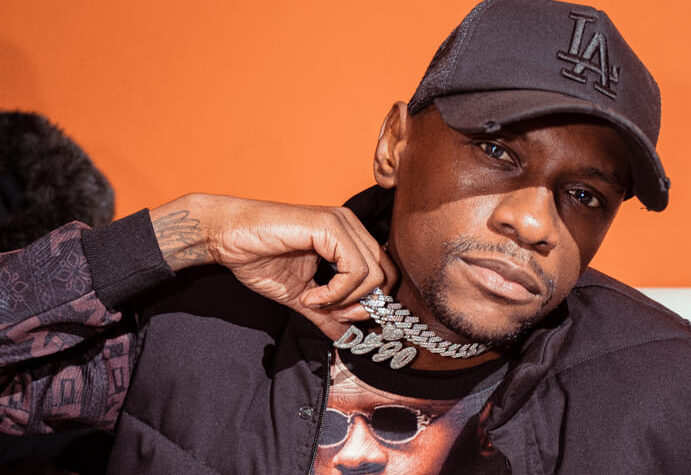
Dygo Boy Connects with Fans with Inspirational Messages
Meanwhile, Dygo Boy, one of Mozambique's most renowned rappers, continues to build a closer connection with his fans through social media. Last night, the 39-year-old artist held a live stream where he spoke about the importance of "making time" and seizing the opportunities life offers. During the live stream, Dygo Boy shared personal experiences that served as inspiration for many young people, who reacted positively to his words of wisdom.
Dygo Boy's effort to connect with the public demonstrates his commitment to positively influencing the new generation, using his platform to convey motivational and empowering messages.

Lizha James thanks Mozambican model Linky Chechene for the tribute.
Lizha James, an icon of Mozambican music, used her social media to express gratitude to Mozambican model Linky Chechene, who recently paid her a tribute. In her thank-you message, Lizha expressed her delight at the gesture and showered Linky with praise for her beauty and talent.
“I loved it, my love. Once again you left me speechless and enchanted by your beauty. I love you,” wrote Lizha James, reinforcing the mutual admiration between the two artists. This type of interaction highlights the strong sense of community and support that exists among public figures in Mozambique, contributing to the appreciation and promotion of Mozambican culture.

Dama Ija Celebrates 800 Thousand Followers on Facebook
Outside the capital, Dama Ija, one of the most influential artists on social media in Mozambique, celebrated reaching 800,000 followers on Facebook. In a thank-you post, the artist expressed her gratitude for the constant support of her fans. “We are already 800,000 followers. Thank you for your support, Family,” wrote Dama Ija, showing her happiness at reaching this significant milestone in her career.
This milestone reinforces the importance of social media for Mozambican artists, allowing them to build a solid fan base and maintain an ongoing connection with their audience.

Hernâni da Silva reaches one million views with "Call My Family".“
On the other hand, Hernâni da Silva, one of Mozambique's most respected rappers, recently reached one million views on YouTube with the video for his song "Call My Family." Released about a year ago, the track continues to resonate with audiences, demonstrating the relevance and enduring appeal of Hernâni's music.
This success is yet another example of the growing digital presence of Mozambican artists, who are reaching new levels of popularity through online platforms, expanding the reach of Mozambican music on the global stage.
The artistic scene in Mozambique and Angola continues to flourish, with artists from both countries receiving recognition and connecting with their audiences in meaningful ways. From the international success of songs like Twenty Fingers' "Rivais" to Dygo Boy's inspiring messages and tributes between artists like Lizha James and Linky Chechene, the future of Lusophone music and culture looks promising, with each achievement opening new doors for talent from our countries.