The Mozambican rapper and singer Case Buyakha has once again used his voice to raise awareness about profound social issues that are often ignored. This time, the artist draws attention to the recurrent use of babies and children by vulnerable adults, many apparently under the influence of drugs, to beg for money at traffic lights in the city of Maputo.
“"I don't know if there's any social security in the country, but someone with the right to do something for these children who are being used as bait to beg for money on the streets. I know you don't separate a child from its mother, but it's also not fair for babies to have to go through what we've seen them go through all the time," Case Buyakha said in a social media outburst.
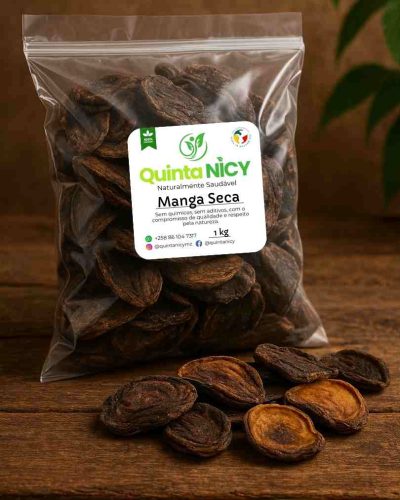
Order now and enjoy the best of Quinta NICY!
Last duck stock at Quinta NICY!

In the artist's words, the situation is visibly serious:
“"At some traffic lights here in Maputo, there are people you see who... come on, let's be serious! There are people you see who are drug addicts, there are women you see who are drug addicts, carrying a baby in their arms, trying to persuade people to give them money... And I feel sad imagining what this baby must go through."”
A problem in plain sight, but ignored by many
The presence of women carrying babies on street corners and at traffic lights in Maputo is an increasingly common occurrence. Often, these women, visibly in precarious conditions, some with signs of drug addiction, use their babies as an emotional appeal to obtain alms. This practice, though silent, raises serious questions about children's rights, the responsibility of public institutions, and the effectiveness of social policies in Mozambique.
Where is social security?
Case Buyakha’s question is not rhetorical: “I don't know if there is social security in the country...”. It points to a feeling of abandonment felt by many citizens in relation to the State's actions in protecting the most vulnerable, especially children.
Mozambique has legislation that protects children's rights and institutions such as the National Institute of Social Action (INAS), but the reality on the streets seems to reveal a serious gap between theory and practice. The lack of effective public policies for social reintegration, support for drug addicts, and shelter for at-risk children results in inhumane and normalized scenes in everyday urban life.
The role of artists as the voice of the people
By bringing this topic to public debate, Case Buyakha fulfills a fundamental role: using his visibility to provoke reflection and demand action. Rather than limiting himself to entertainment, the artist assumes a position of social conscience, challenging those responsible to act with seriousness and urgency.
A collective responsibility
Although Case's appeal is addressed to the authorities, the problem also requires civil society involvement. The normalization of begging for babies, the automatic impulse to give money without reflecting on the impact, and complicit silence in the face of risky situations are factors that contribute to the perpetuation of this cycle of suffering.
The debate is on. How long will we silently watch the suffering of innocent children in the name of misguided compassion?
It's time to turn collective discomfort into concrete action.