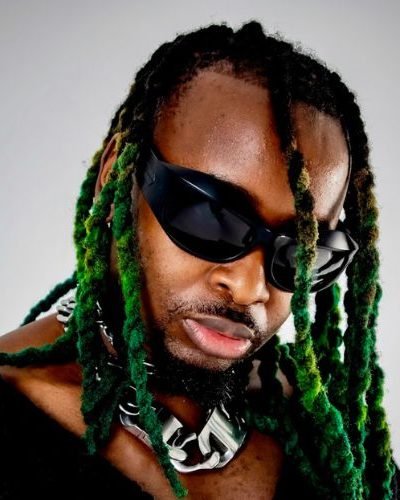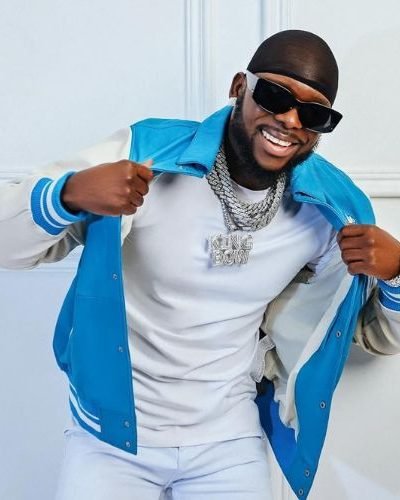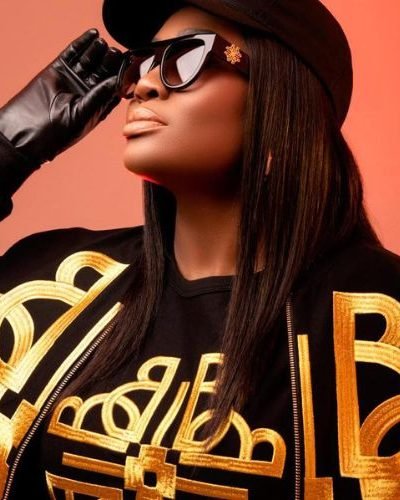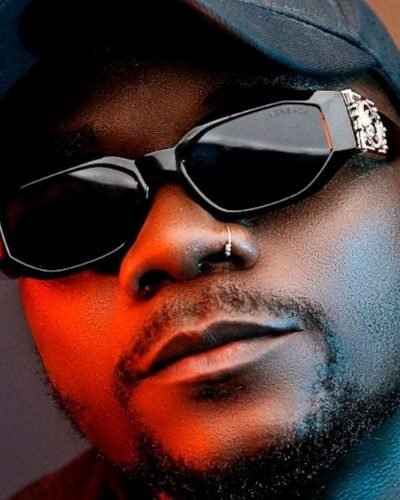
The term "King" has once again become a topic of debate on social media following Humberto Luís' performance at the show commemorating Mozambique's 49th anniversary of independence. The singer shared images of his performance with the caption: "THE KING 👑 WAS PART OF THE MUNICIPAL FESTIVAL, AN EVENT THAT TOOK PLACE AS PART OF THE CELEBRATION OF MOZAMBIQUE'S 49TH ANNIVERSARY OF INDEPENDENCE 🇲🇿, IT WAS MAGICAL, CHECK OUT THE IMAGES.".
This statement generated diverse reactions among internet users. While many congratulated Humberto Luís, others questioned whether he truly deserves the title of "King" of Mozambican music. But, ultimately, what is necessary for an artist to be considered "King"?
Is it the number of songs released that defines a "King"? Or perhaps it's the awards received throughout their career? Does the musical genre the artist represents play a role in this definition? And what about the emotional and cultural connection the artist establishes with their audience?
Furthermore, is it possible that in a country with so much musical talent, diverse styles and influences, there is room for only one "King"? Or would it be more appropriate to consider that there are several "Kings" in different genres and areas of Mozambican music?
These questions reflect the complexity of assigning such a significant title in such a diverse musical landscape. Humberto Luís, with his career and impact, certainly has his merits, but the debate remains: what exactly makes someone a "King" of Mozambican music?
Public participation is crucial to this debate. What is your opinion? What does it take for an artist to be considered a "King"? Does Humberto Luís deserve that title? In a country rich in musical talent, is it possible to have only one "King"?
Leave your opinion in the comments and contribute to this important discussion about the title of "King" in Mozambican music.