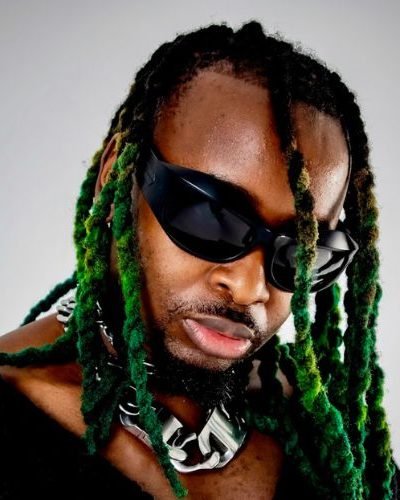
In the latest rap battle between Mozambique and Angola, Mozambican rapper Naruto made a bold statement, claiming that Mozambican artists are superior to Angolan artists both in lyrical battles and in the studio. His statement sparked a heated debate about the quality and talent of rap artists in both countries, raising questions about the dynamics of the African hip-hop scene.
During the battle, Naruto expressed his opinion that Mozambicans are ahead of Angolans in several areas of rap, highlighting the excellence of artists such as Epaitxos, Kadabra, 16 Cenas, Nikotina, and Trovoada. His provocative statement not only challenges the traditional narrative about the dominance of Angolan rap in Africa but also highlights the talent and skill of Mozambican artists in the hip-hop scene.
The rap scene in Mozambique has grown significantly in recent years, with a new generation of artists emerging and gaining prominence both nationally and internationally. Artists such as Trovoada, 16 Cenas, and Nikotina have contributed to raising the profile of Mozambican rap, winning admirers and fans across the African continent.
However, it is important to recognize that the rap scene in Angola is also rich and diverse, with a long history of significant contributions to African hip-hop. Artists such as Epaitxos and Kadabra are widely respected for their lyrical skill and studio talent, contributing to the richness and diversity of the Angolan music scene.
The debate about the superiority of Mozambican and Angolan artists in rap is complex and subjective, with many factors to consider, including style, technique, innovation, and cultural impact. While Naruto expresses his opinion on the excellence of Mozambican artists, it's important to remember that the art of rap is subjective and multifaceted, and that true greatness lies in the diversity and variety of voices and styles that contribute to the African hip-hop scene as a whole.