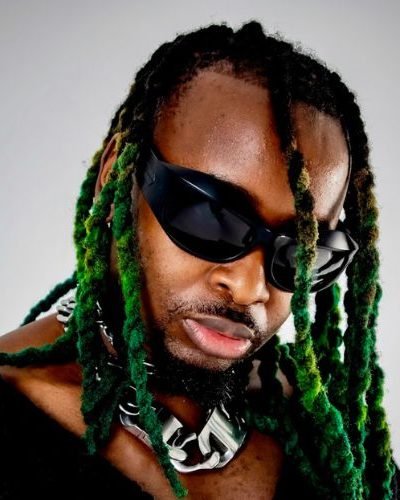
Mozambican music faces a complex crossroads, where artists and enthusiasts question whether it will ever be possible to overcome the challenges that currently limit its reach and impact. The central question permeating the minds of those involved in the music industry is whether Mozambican music will be able to emerge from a phase that many characterize as a "crisis".
One of the main concerns raised is the perception that Mozambican musicians seem to be recognized mainly when they are in the studio, with live performances frequently held in small venues. The observation that large stages are predominantly reserved for international artists or free events raises pertinent questions about the state of the music industry in the country.
The discrepancy between national and international artists performing at major paid events is a notable phenomenon. One wonders why so many international artists are highlighted as headliners compared to Mozambican talent itself. This raises concerns about the visibility and public acceptance of local music.
The difficulty in replicating the success of large events, such as the one held by Hot Blaze at the Maxaquene field, becomes an enigma. The question of whether Mozambican music doesn't sell or isn't commercial enough permeates the discussions. What has changed in recent years? Why does the music that once dominated now seem to face significant challenges?
The lack of a solid infrastructure, including financial support, skilled event promoters, and a robust music industry, are factors that some point to as contributing to the current state of Mozambican music. Increasing international competition and evolving musical tastes also play a role in this constantly changing dynamic.
By inviting followers to share their comments on the Facebook page, a necessary dialogue is opened to understand the diverse opinions on the state of Mozambican music. The collective effort and active involvement of the music community and fans can be crucial in developing strategies that propel the industry to new heights.
Thus, Mozambican music faces a collective challenge that requires a concerted approach. The answers and solutions may lie in collaboration between artists, promoters, government support, and adaptation to the dynamics of the global music industry. The path to recovery may require significant changes, but hope lies in the shared passion of all those who wish to see Mozambican music thrive and reach new heights.