Mozambique, with its vast and diverse artistic potential, experienced a remarkable golden age in hip-hop during the years 2009 to 2014. Groups such as Magnésia, G-Pro, Trio Fam, MLCD, Track Records, K7S, Dabo Boss, among others, shone in the PALOP (Portuguese-speaking African Countries), leaving a significant mark on the music scene. However, over the years, these groups faded away, leaving a void that contemporary rappers are trying to fill. This article explores the evolution of Mozambican hip-hop, recalling the golden age and discussing the challenges faced by artists today.
The Golden Age of Mozambican Hip-Hop:
Between 2009 and 2014, Mozambican hip-hop was at its peak. Groups like Magnésia, G-Pro, Trio Fam, MLCD, Track Records, K7S, Dabo Boss, among others, dominated the music scene in the PALOP countries (Portuguese-speaking African countries). Their poetic lyrics, innovative beats, and vibrant stage presence won over fans and highlighted Mozambique as a leader in the African hip-hop scene.
The Disappearance of the Giants:
However, over the years, many of these groups have disappeared from the music scene, leaving a void in the industry. Changes in the dynamics of the music industry, financial challenges, and personal transitions may have contributed to the disappearance of these giants of Mozambican hip-hop.
Modern Rappers and Persistence:
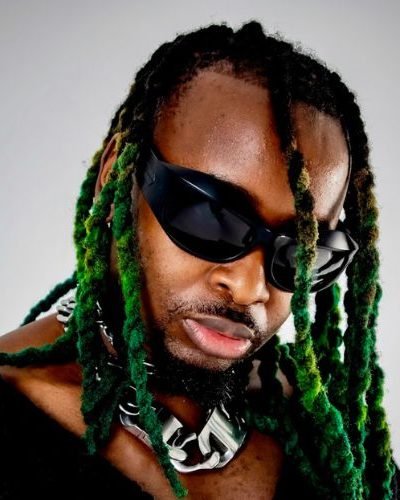
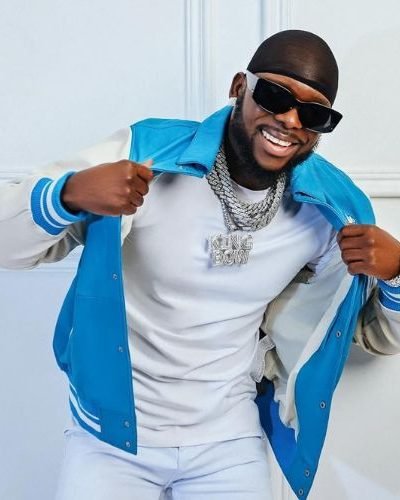
Despite the difficulties and the disappearance of prominent groups, Mozambican hip-hop is still alive. Contemporary rappers continue to give their best, facing challenges such as lack of financial support and visibility. Many of these artists remain in the music scene out of love for the art, contributing to keeping the flame of national hip-hop alive.
Hopes for the Future:
Current rappers maintain hope that the Mozambican music scene will evolve to provide more opportunities and support for local artists. They continue to dedicate themselves to music, even when the market often favors international artists. The hope is that, with time, the landscape will change, allowing local talent to thrive.
Current Challenges and Possible Futures:
The challenges faced by Mozambican rappers include a lack of adequate infrastructure, scarce financial support, and competition with international artists. However, looking to the future, collaboration between artists, investment in local promotion, and strengthening the industry could be crucial steps in overcoming these challenges.